
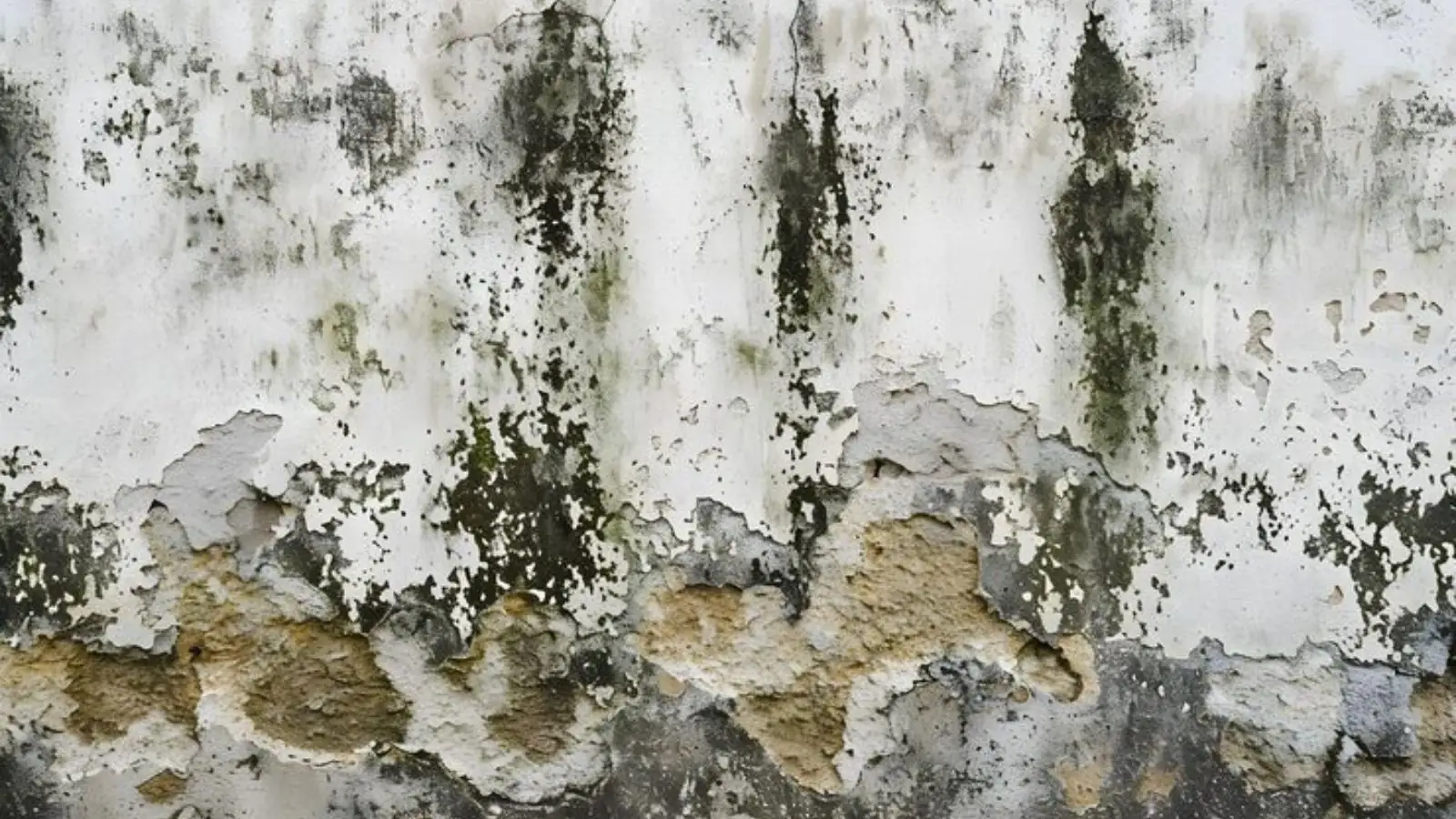
Mold is a type of fungus that grows wherever moisture and an organic food source meet. It is everywhere outdoors and in small amounts indoors, and it only becomes a problem when moisture lets it multiply on building materials. Understanding what mold is, what it needs and how it spreads makes it easier to decide when to clean, when to call and how to prevent it.
What mold is
Molds are fungi that reproduce by releasing tiny spores. Spores float through air and settle on surfaces everywhere. Most never grow, because they lack the moisture needed to germinate. When a surface stays damp for long enough, the spores start to grow, and the patch becomes visible.
Thousands of mold species exist, and they appear in many colors, including white, green, gray, brown and black. Color alone does not identify a species. For a homeowner, the useful question is not which mold it is but whether it is growing and why.
What mold needs to grow
| Need | Common indoor source | What removes it |
|---|---|---|
| Moisture | Leaks, floods, condensation, humidity | Repair leaks and dry the area. |
| Food | Drywall paper, wood, dust, fabric | Remove heavily affected materials. |
| Time | Materials wet for more than a day or two | Dry within 24 to 48 hours. |
| Warmth | Typical indoor temperatures | Not practical to remove. |
| Still air | Closed closets, behind furniture | Ventilation and airflow. |
Moisture is the one factor you can control. EPA guidance says the key to mold control is moisture control, and that wet materials should be dried within 24 to 48 hours to prevent growth.
Where mold shows up in homes
The most common places are bathrooms, kitchens, laundry rooms, basements, crawl spaces and attics. Within those rooms, look at window frames, the underside of sinks, around tubs and showers, behind appliances, on exterior walls and in closets against cold walls. Mold also grows in places you cannot see, such as the backs of drywall panels and inside wall cavities.
A musty smell is often the first sign. If you notice that odor without finding any visible growth, hidden moisture may be present. A moisture meter and a thermal camera help find it.
Think you have mold?
Call and describe what you see and smell.
How mold spreads
Spores travel through air, on clothing and on pets, and through ducts. A small patch disturbed by sweeping, scraping or a fan can release more spores and spread to other areas. This is why large patches are best handled under containment.
Growth spreads by finding more moisture. If a leak soaks a wall, growth may appear in the whole section. If a leak is fixed and the area is dried promptly, growth generally stops.
Mold, water damage and drying
Water damage and mold are connected. After a leak, flood or burst pipe, wet materials need to be dried quickly. When drying is late or incomplete, growth begins. For that reason mold prevention is, in practice, water damage response. See our water damage cleanup page for how removal, cleaning and drying fit together.
When mold needs a professional
- The affected area is larger than about 10 square feet.
- Growth is inside walls, under floors or in the air handling system.
- It followed a flood, sewage backup or long-term leak.
- You smell mold but cannot find it.
- It returns after cleaning.
A trained crew limits the spread of spores during removal, uses negative air to keep the area under control and cleans surfaces afterward. Our mold remediation page outlines the steps.
Prevention in practice
Keep indoor humidity moderate, run exhaust fans in bathrooms and kitchens, vent dryers to the outside and fix leaks promptly. Do not leave wet towels, rugs or boxes against walls. Keep furniture a little away from exterior walls so air can move.
After any water event, document it, dry it and watch it. If the area still feels damp after a day or two, take a reading. Early attention is the cheapest mold control there is.
Common myths
- Mold only grows in dirty homes. It grows wherever moisture lingers, whether the home is clean or not.
- Bleach solves every case. Removal and drying are what count, and bleach does little on porous material.
- A fan removes mold. A fan dries a surface but does not remove growth, and it can spread spores.
- Painted mold is gone. Paint hides it for a while, and moisture will lift the paint.
- All dark spots are mold. Some stains are dirt or old water marks, and a meter and a close look settle it.
How to tell if a stain is active
Active growth looks fuzzy or spotty, may smear when touched with a damp cloth and often comes with a damp feel or smell. Old dry stains look flat and do not change. Mark the edge with a pencil and watch it for a few weeks. If it grows or comes back after cleaning, treat the area as active.
Why quick drying beats later cleaning
Cleaning mold costs time and money, and drying a wet building quickly costs far less. When a leak or spill happens, the first two days decide the outcome. Remove the water, run fans and a dehumidifier and call a crew if materials stay wet.
The Santa Barbara service page explains how the same work applies in the neighboring city, and the areas page lists the other towns near Goleta.
Goleta local note: coastal air and shaded rooms
Coastal homes can hold moisture in shaded rooms, north-facing walls and closets that rarely get airflow. Opening windows on dry days and running fans in humid rooms helps.
The Goleta Water District describes the valley as semi-arid, with long dry spells followed by heavy rain. Roof and window leaks often show up after the first storm, so check ceilings and window frames at that point.
What is mold questions
Is all mold the same?
No. There are many species and colors. Color alone does not identify one, and the practical response is the same: fix the moisture and remove the growth.
Can mold grow in a dry house?
It needs moisture. A house with no leaks, controlled humidity and good ventilation gives mold little to grow on.
How fast does mold grow after a leak?
It can begin within a day or two, which is why EPA guidance says to dry wet materials within 24 to 48 hours.
Do I need a mold test?
Often not. Finding the moisture and removing the growth is what matters, and a crew can explain whether a test would add anything.
Questions about your own situation?
Call the 24/7 line and describe what you see. Call and describe what you see and smell.