
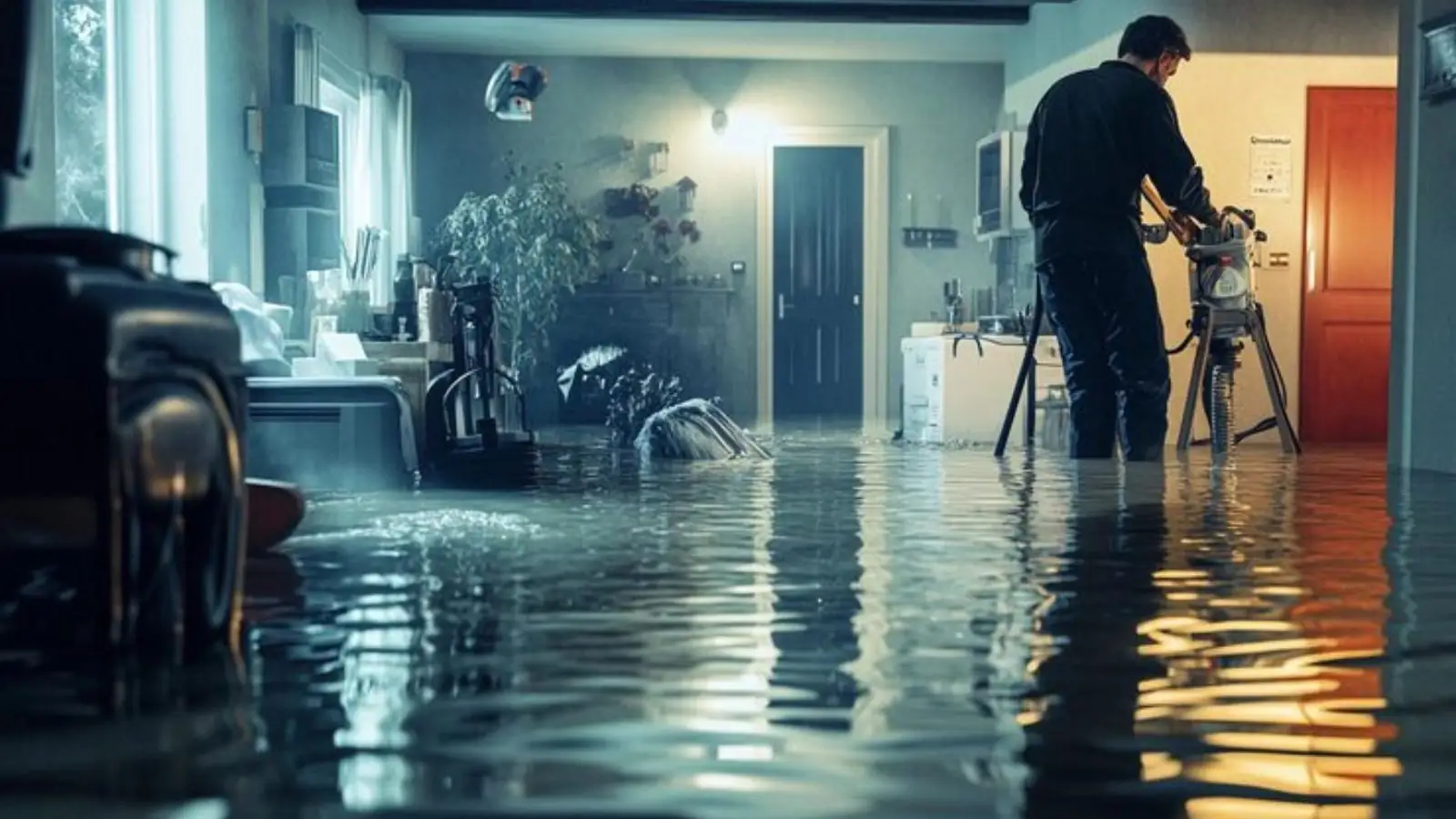
Water mitigation is the work done in the first 24 to 72 hours to stop damage from spreading: shutting off the source, removing water, setting drying equipment and tracking moisture until the structure reads dry. Emergency water mitigation in Goleta, CA starts with our 24/7 line. While you wait for a crew, close the shutoff valve, keep power off in wet areas if the panel is dry and reachable, and lift valuables off the floor.
Mitigation is different from repair. It saves the materials that can still be saved, so that less drywall, flooring and insulation has to be replaced later. Same-day response is offered when available, and we explain the scope and pricing before any work starts.
My wall is wet and I do not know what to do next
Most people never search for water mitigation. They search for a wet wall, carpet that is soaked, a ceiling stain that keeps growing or a musty smell in a closet. Those are all symptoms of water that is still inside the structure, and mitigation is the name for the work that removes it.
If any of those describe your house, the fastest useful step is a call. We ask about the source, how long it has been wet and what the surfaces are, then explain what drying would involve. You can read how the work begins on the emergency water removal page if there is standing water.
Daily moisture readings are central to ANSI/IICRC S500, the published standard for water damage restoration. The EPA guidance on damp buildings points the same way, advising that wet materials be dried within 24 to 48 hours.
When water damage becomes an emergency
EPA guidance says wet materials should be dried within 24 to 48 hours to avoid mold growth. That window is the reason mitigation is urgent even when the water has stopped and the floor looks nearly dry. Moisture hides in framing, subfloors, insulation and the back of drywall, where it keeps feeding damage.
After hours is when most losses begin. A supply line fails overnight, a water heater leaks while the house is empty, or a window lets in rain. The emergency line is answered every hour of every day, and starting drying on the first visit protects more of the house.
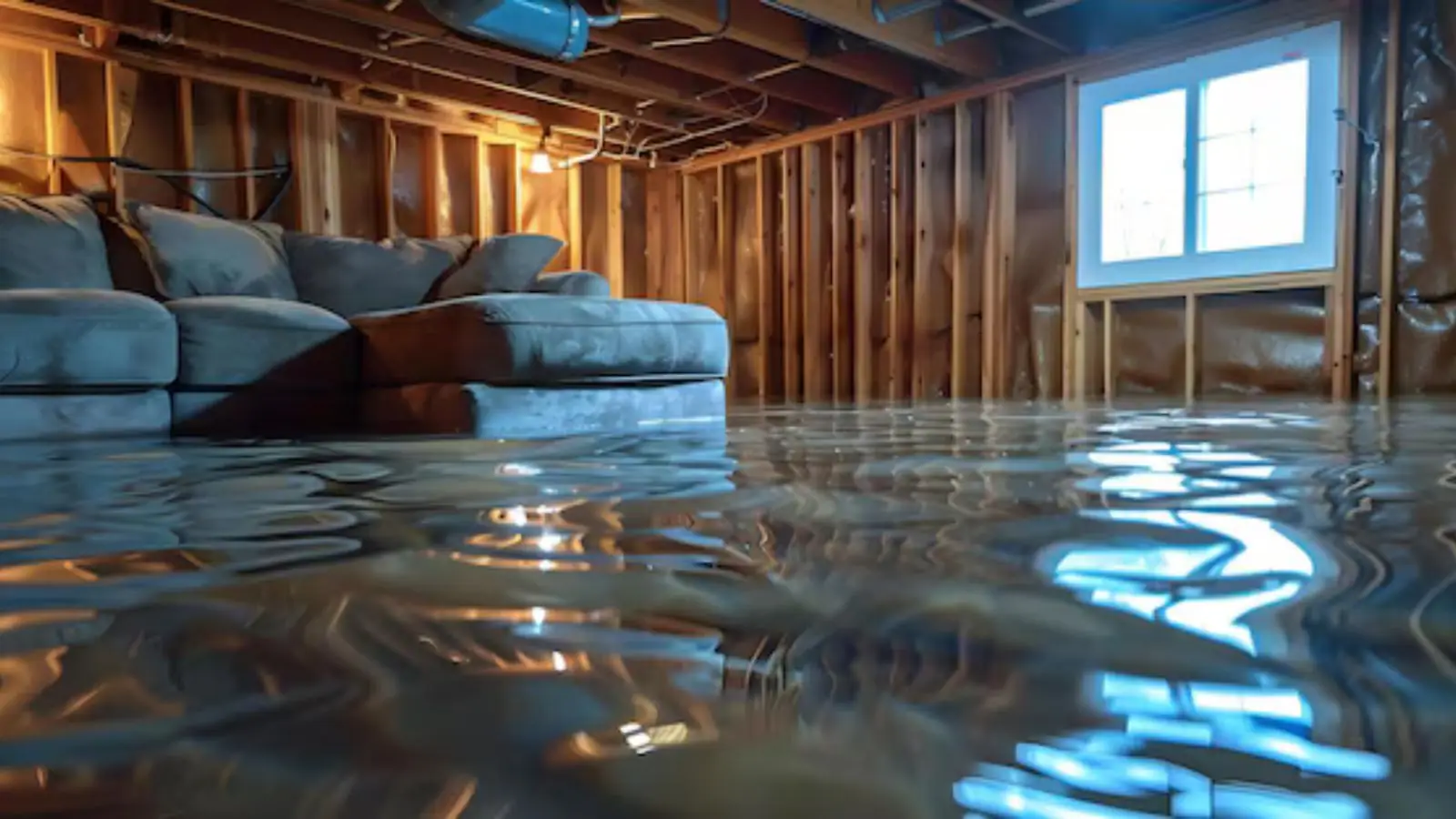
How we map and measure moisture
A crew begins with a moisture meter, a thermal camera and a hygrometer. The meter reads moisture in drywall, wood and concrete, the thermal camera shows cool, wet areas behind finished surfaces, and the hygrometer records air temperature and humidity. Together they define the wet zone and set a baseline.
That baseline matters because drying is measured, not guessed. Each day the crew takes new readings in the same spots. When a wall or subfloor returns to a dry reading, the equipment comes out, and not before.
Structural drying: what the equipment does
Structural drying uses a balance of airflow and dehumidification. Air movers push dry air across wet surfaces so water evaporates from them. LGR dehumidifiers pull that moisture out of the air so it does not settle back into walls and floors. Specialty systems can dry wall cavities and floor mats through small openings, which avoids tearing out material that can be saved.
| Equipment | What it does | Where it is used |
|---|---|---|
| Air movers | Push air across wet surfaces to speed evaporation | Floors, lower walls, carpet, stairs. |
| LGR dehumidifiers | Remove moisture from the air in a closed room | Every drying setup, sized to the space. |
| Moisture meters | Measure moisture in wood, drywall and concrete | Daily readings in the same spots. |
| Thermal camera | Shows cool, wet areas behind finished surfaces | Initial scan and spot checks. |
| Cavity drying systems | Move dry air into wall and floor voids | Walls and floors that can be saved. |
The room is closed up while the equipment runs, so it can sound loud and feel warm. Drying time depends on how much water there was and what it soaked. A crew can tell you what to expect after the first set of readings, and the plan changes if the numbers do.
Describe it by phone
Call the 24/7 line, tell us what you see and we explain the first step.
What affects the price of water mitigation
- Water category and whether contaminated materials must be removed.
- Square footage of affected floors, walls and ceilings.
- Materials involved, because hardwood and plaster dry differently than carpet.
- Number of drying days and pieces of equipment the structure needs.
- Rebuild scope after drying, which is quoted separately.
We explain the scope and how pricing is set before work starts. Sudden and accidental losses are often covered by a homeowners policy, gradual leaks and neglect often are not, and flood damage usually needs a separate flood policy, so check your policy or ask your insurer. Want your real number? Call and describe the loss.
Wet walls or floors in Goleta?
Call the 24/7 line and describe the source and the rooms. We explain the plan and how pricing works before work starts.
Once it is dry, what comes next
When readings are dry, the job moves to cleanup of anything that was contaminated and then to rebuilding. Water damage cleanup covers debris removal and sanitizing, and water damage repair covers drywall, flooring and paint. For losses that started with rising water or a sewage backup, flood damage restoration explains how those are treated.
Local note: drying in a Goleta home
The right drying plan depends on the building you have. Slab floors dry differently from raised floors, and a unit above or below you changes where moisture can travel. Tell the crew about the building type when you call.
If you rent, tell the landlord or property manager in writing the same day. The City of Goleta Building and Safety Division can be reached at (805) 961-7552 with questions about permits for rebuild work, and it is closed on Fridays.
Water mitigation questions
Do you handle water mitigation emergencies at night or on weekends in Goleta?
Yes. The emergency line answers 24 hours a day, every day, and same-day response is offered when available. Call once the water is shut off and the area is safe.
What is the difference between water mitigation and water damage restoration?
Mitigation is the early work that stops the damage and dries the structure. Restoration is the whole job, including cleanup and rebuilding. Most Goleta losses need both, in that order.
How long will the drying equipment run?
It runs until moisture readings in the same spots return to a dry level, and that usually takes several days. The crew checks on a schedule and adjusts equipment as the readings change.
Can the drying equipment run without being supervised?
Yes. Air movers and dehumidifiers run continuously, and the crew returns to take readings and move equipment. Keep children and pets away from cords and hoses.
Do I need to move out while the equipment runs?
Not always. Many households stay, though noise and warmth are real. If the water was contaminated, or the equipment fills your living space, staying elsewhere for a few days may be more comfortable.