
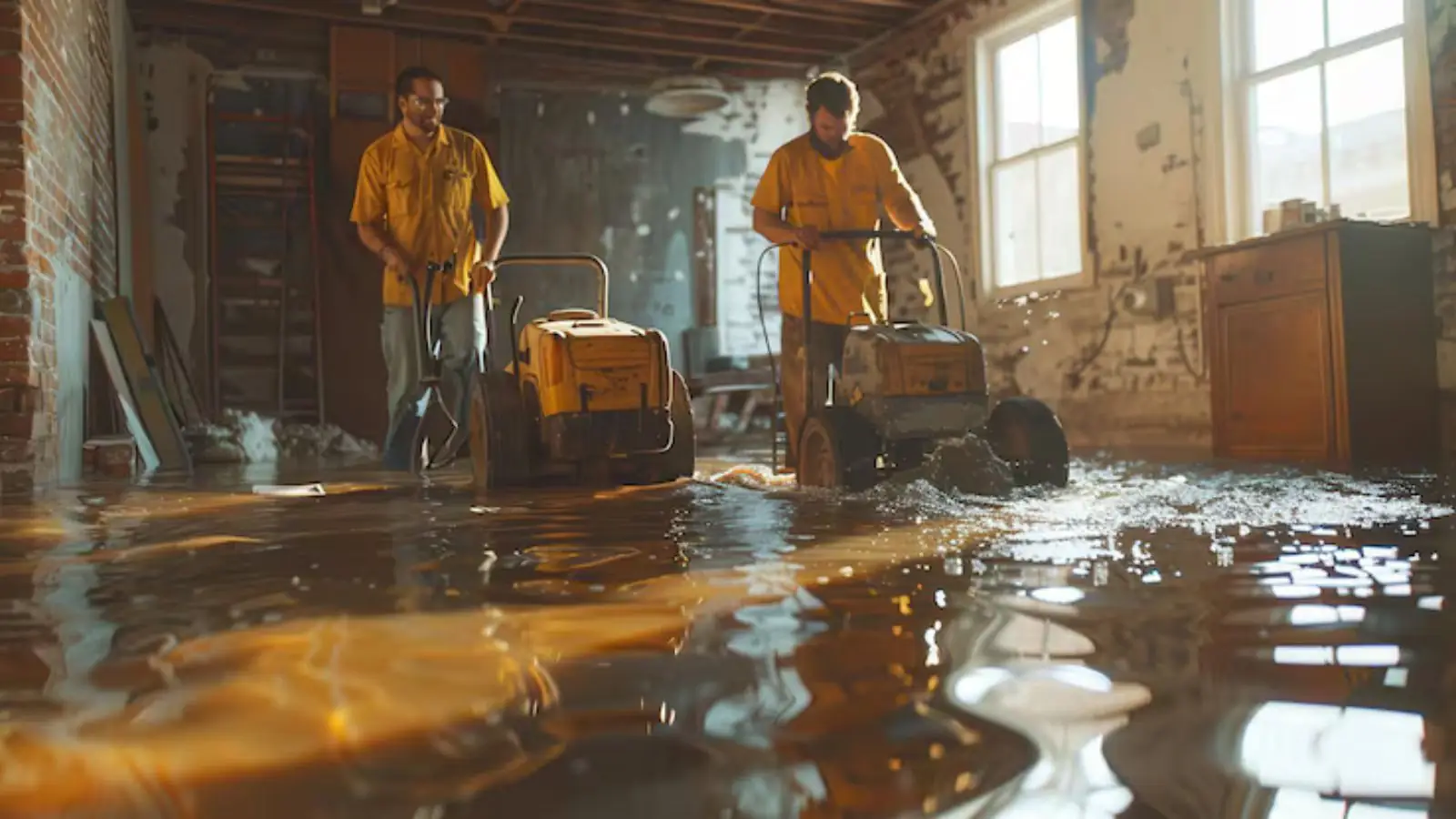
Water damage cleanup is what happens after the water has been stopped and removed: soaked debris comes out, damaged materials are separated from the ones that can stay, surfaces are cleaned and sanitized, and odors are dealt with. For emergency water damage cleanup in Goleta, CA, our 24/7 line is open now. Until a crew arrives, keep the water source shut off, keep children and pets out of the wet area and lift small valuables up and out.
Cleanup is closely tied to timing. The longer wet materials sit, the more of them end up in a dumpster instead of back in your home. We explain the scope and pricing before work starts, and same-day response is offered when available.
Why the first 48 hours of cleanup matter
EPA mold guidance says wet materials should dry within 24 to 48 hours. Cleanup is the part that gets soaked insulation, carpet pad and wet drywall out of the house before they hold moisture against framing. Waiting for the weekend, or for an adjuster, often turns a smaller job into a larger one.
If you are not sure whether the water is clean or contaminated, treat it as contaminated. Water from a toilet, washing machine drain or outside source can leave residue that is not obvious on the surface. Call the emergency line, and the crew will treat it correctly from the start.
Cleanup decisions follow the water categories in ANSI/IICRC S500. Clean water leaves more materials salvageable, while water from drains or outdoors makes porous materials candidates for removal. The EPA also advises drying within 24 to 48 hours to limit mold growth.
What gets removed and what gets saved
The goal is to save as much as can be safely saved. Water category, how long the material was wet and what the material is made of decide the answer, and the crew confirms with moisture readings.
| Material | Often saved? | What decides it |
|---|---|---|
| Carpet pad | Rarely | Pad holds water and is usually removed, especially with Category 2 or 3 water. |
| Carpet | Sometimes | Clean water caught quickly can sometimes be dried in place. |
| Drywall | Partly | The wet lower section is usually cut out, higher sections may dry. |
| Insulation | Rarely | Wet batts lose their value and hold moisture against framing. |
| Hardwood floors | Often, if caught early | Drying mats and time can save boards, cupping decides the rest. |
| Cabinet bases and trim | Sometimes | Toe kicks are removed to dry the cavity behind them. |
| Concrete and framing | Yes | Cleaned, sanitized and dried to a dry reading. |
How cleaning, sanitizing and deodorizing work
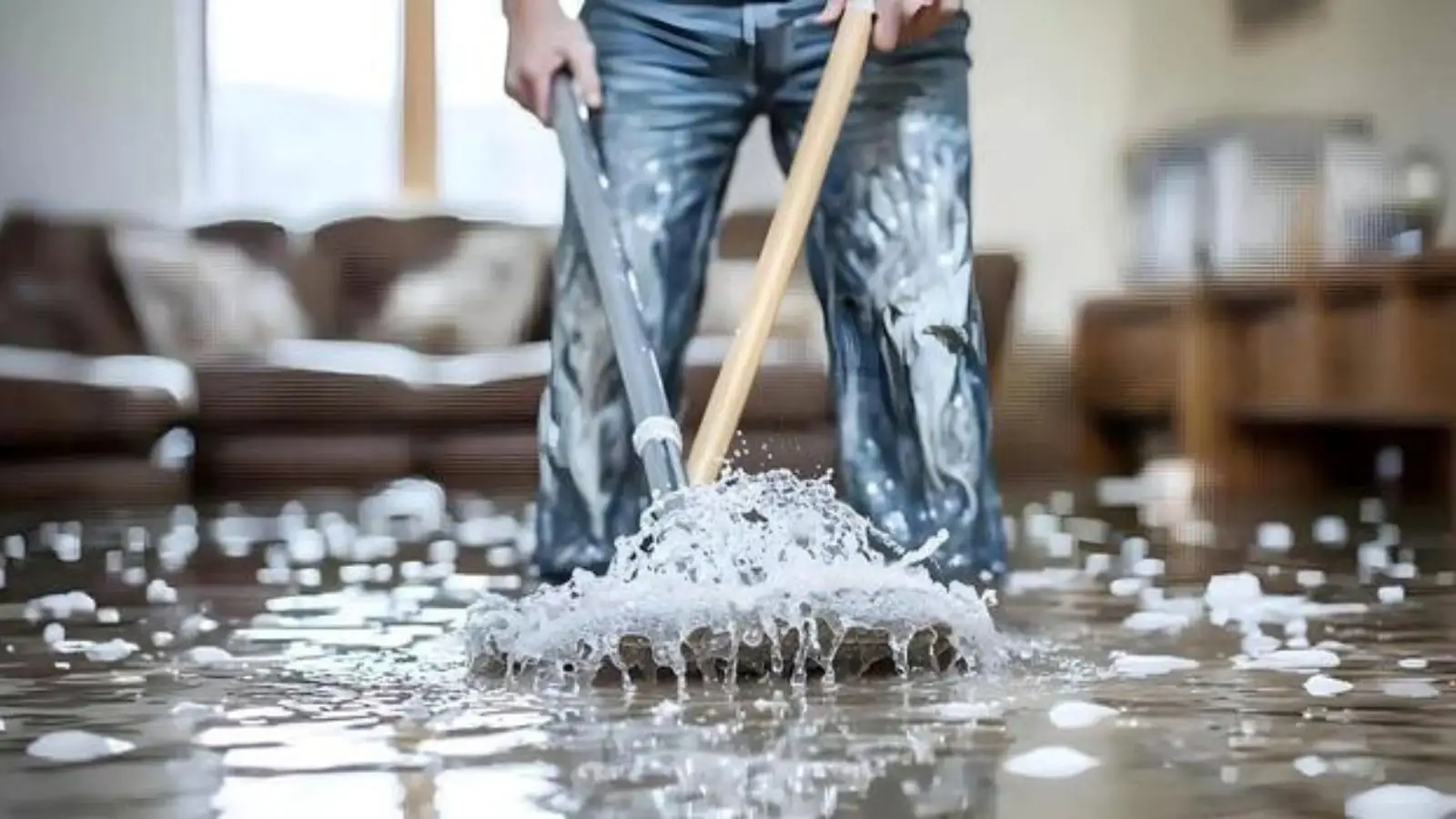
After materials are removed, hard surfaces and exposed framing are cleaned with products suited to the water category. For contaminated water, surfaces are sanitized before drying finishes, so the cleaned area is not closed up again with residue in it.
Odor is handled at the source. A musty or sour smell usually means something wet is still in the structure, so the crew looks for it first and removes it. Air filtration with HEPA air scrubbers, along with controlled drying, helps clear what remains in the air. Perfume sprays are not a fix.
What to do with your belongings
Furniture, electronics, books and clothing need a quick decision. Items can be moved to a dry room, blocked up off the floor or boxed for cleaning elsewhere, which is sometimes called a pack-out. Photograph anything that was damaged before it moves, and keep a list that includes rough age and replacement value.
Soft goods that touched sewage or contaminated water are usually not worth keeping. Ask us before you throw anything away if you are not sure, because your insurer may want to see photos of what was discarded.
Describe it by phone
Call the 24/7 line, tell us what you see and we explain the first step.
A first-day cleanup checklist
- Confirm the water source is shut off and the area is electrically safe.
- Photograph rooms, the water line on walls and each damaged item.
- Move belongings to a dry area, keeping paper and electronics off the floor.
- Open windows for airflow if the weather and security allow it.
- Keep children, pets and anyone with questions about sensitivity out of contaminated areas.
- Call the 24/7 line and describe the water, the rooms and the time it has been wet.
Once the building is clean, the next stage depends on how wet it still is. Water mitigation dries what is left, and water damage repair rebuilds what was removed.
What affects the cost of water damage cleanup
- Water category, since contaminated water adds removal and sanitizing steps.
- Amount of debris and number of rooms involved.
- Whether belongings need to be packed out and stored.
- Disposal volume for wet materials that have to be hauled away.
- Rebuild scope once the cleanup is finished.
We explain the scope and how pricing is set before work starts. Sudden and accidental water damage is often covered, gradual leaks and neglect often are not, and flood damage usually needs separate coverage, so check your policy or ask your insurer. Want your real number? Call the line and describe the damage.
Need the wet materials out?
Call the 24/7 line and tell us which rooms are affected. We explain the scope and pricing before work starts.
Local note: cleanup in a city of renters and owners
The Census Bureau lists Goleta at 50.7 percent owner-occupied for 2020 to 2024, so about half of the housing is rented. In a rental, cleanup often involves a tenant with belongings and a landlord with a building. Tell the landlord in writing the same day and keep your own photos of personal property, because those are usually covered separately from the structure.
If your lease or condominium rules require a particular process for notices, follow them. We can explain the scope of cleanup to whoever is arranging and paying for it.
Water damage cleanup questions
Do you handle water damage cleanup emergencies at night or on weekends in Goleta?
Yes. The emergency line is open 24 hours a day, every day, and same-day response is offered when available. Call after the water is stopped and the area is safe.
Can I clean up water damage myself?
Small clean-water spills on hard floors, yes. Anything involving carpet pad, wall cavities, insulation or contaminated water is better left to a crew with extraction and drying equipment and protective gear.
Will the musty smell go away?
It usually does once the wet material that is causing it is removed and the structure is dried. A smell that stays after drying is a sign that something is still wet, and the crew will look for it.
Do I have to throw away my carpet?
Not always. Carpet that got clean water and dried quickly can sometimes be saved, while carpet and pad that touched sewage or floodwater are normally replaced. The decision follows the water category and the moisture readings.
Do you store my belongings?
We can discuss moving and protecting contents during the assessment, and the details depend on the size of the job. We explain what is involved before anything leaves the house.